
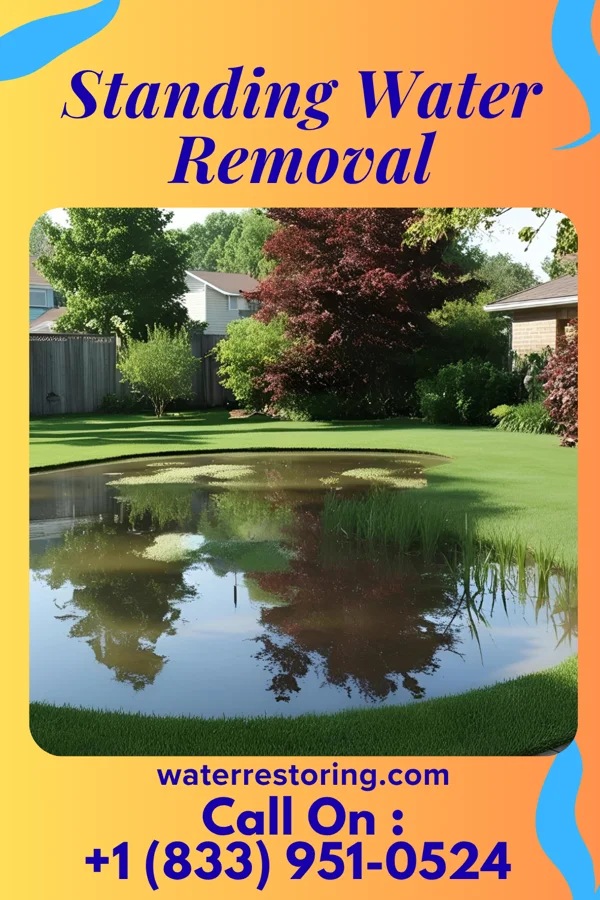
Why Monroeville Sees Standing Water Often
The pattern in Monroeville is consistent. In Monroeville, Pennsylvania, the primary water damage causes include residential plumbing leaks, sewer backups, and stormwater flooding due to its proximity to the Monongahela River. The suburban layout and older infrastructure in areas like Pitcairn and Wall can lead to sudden water intrusion during heavy rainfall. drives most of the emergency restoration calls we get. A close second is Secondary causes include burst pipes in older homes, roof leaks from deteriorating shingles, and improper drainage around properties in Trafford and nearby neighborhoods. Commercial properties in Monroeville may also face water damage from HVAC system failures or broken water heaters..
Monroeville experiences a humid continental climate with significant rainfall in spring and summer, increasing the risk of water damage. The region's frequent thunderstorms and occasional flooding from the nearby river contribute to a higher likelihood of water intrusion during severe weather events.
Monroeville experiences a humid continental climate with significant rainfall in spring and summer, increasing the risk of water damage. The region's frequent thunderstorms and occasional flooding from the nearby river contribute to a higher likelihood of water intrusion during severe weather events. The dominant local driver is In Monroeville, Pennsylvania, the primary water damage causes include residential plumbing leaks, sewer backups, and stormwater flooding due to its proximity to the Monongahela River. The suburban layout and older infrastructure in areas like Pitcairn and Wall can lead to sudden water intrusion during heavy rainfall., with Secondary causes include burst pipes in older homes, roof leaks from deteriorating shingles, and improper drainage around properties in Trafford and nearby neighborhoods. Commercial properties in Monroeville may also face water damage from HVAC system failures or broken water heaters. showing up as the next most common cause. Damage builds in stages. Spread. Absorption. Microbial growth. Structural compromise. Every stage you pass through adds to the final bill.